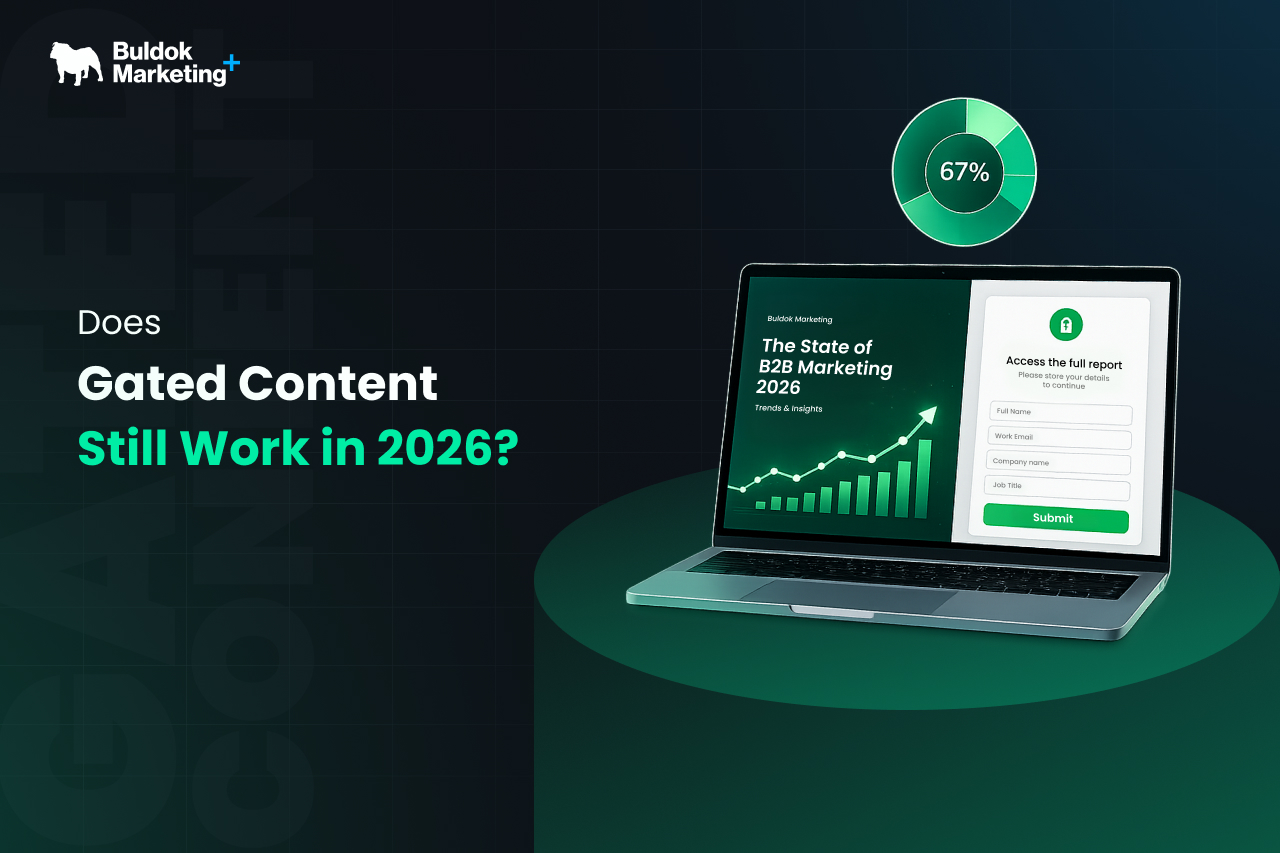
Gated content has been a core tactic in B2B marketing for over a decade. It helped marketers build email lists, qualify leads, and measure intent in a structured way. But the digital environment has changed. Buyers now expect faster access to information, higher transparency, and more control over how they engage with brands.
In 2026, the question is no longer whether gated content works in isolation. The real question is how it fits into a broader demand generation strategy that balances access, trust, and conversion.
This blog explores how gated content performs today, where it still delivers value, and how marketers can adapt their approach to stay relevant.
What Gated Content Means in Today’s Context
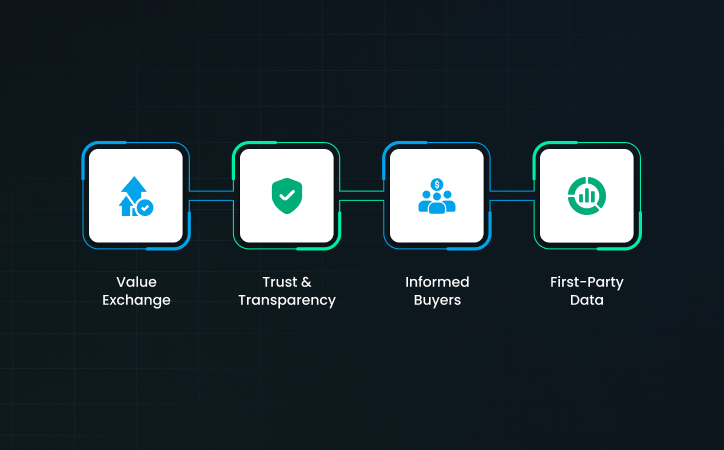 Traditionally, gated content refers to assets like whitepapers, reports, webinars, or templates that require users to submit their contact information before accessing them. The goal has always been simple. Exchange value for data.
However, the context has evolved significantly.
Modern buyers are more informed before they even reach a form. According to research from Gartner, B2B buyers spend a large portion of their journey researching independently. They rely on search engines, peer reviews, and community-driven platforms before engaging with vendors.
This shift has changed how gated content is perceived. Instead of being a helpful resource, it can sometimes feel like friction if not executed correctly.
At the same time, privacy regulations and the decline of third-party cookies have increased the importance of first-party data. This keeps gated content relevant, but only when used strategically.
The Changing Buyer Behaviour & Its Impact On Gated Content
To understand whether gated content still works, it is important to understand how buyers behave today.
Buyers now prioritise speed and convenience. They expect immediate access to insights without unnecessary barriers. If a competitor offers similar value without a form, they are likely to choose that option.
At the same time, trust has become a critical factor. Users are more cautious about sharing their information. They want clarity on how their data will be used and whether the content is worth the exchange.
Another important shift is the rise of AI-driven search and answer engines. Platforms powered by large language models are summarising content instantly. This reduces the need for users to download full reports unless they see clear, differentiated value.
This does not mean gated content is obsolete. It means expectations are higher.
Between All These, Does Gated Content Still Deliver Results?
The short answer is yes, but not in the same way as before.
Gated content still works when it is aligned with high intent and high value. For example, detailed industry reports, proprietary data, or advanced tools can justify a form. These assets provide depth that cannot be easily summarised elsewhere.
Recent data from HubSpot indicates that lead generation strategies combining gated and ungated content perform better than relying on one approach alone. Marketers who mix both see stronger engagement and higher-quality leads.
However, conversion rates for gated content have generally declined over time. Users are more selective. They are willing to fill out forms only when they clearly understand the benefit.
This means that gated content is no longer a volume game. It is a precision game.
Where Gated Content Still Works Best
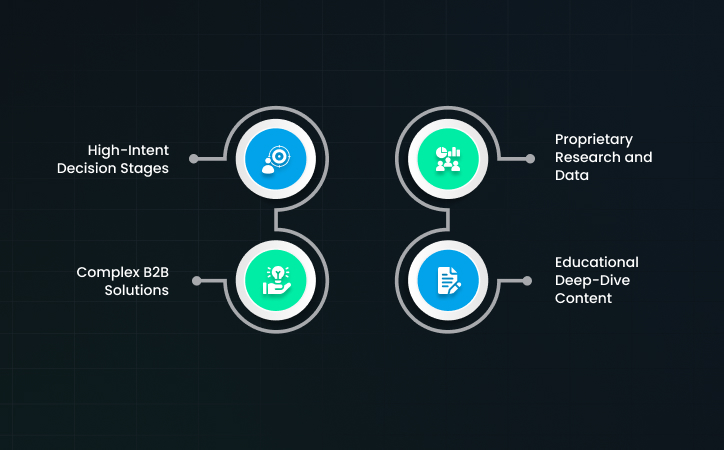 Gated content continues to perform well in specific scenarios where intent and value are aligned.
1. High-Intent Decision Stages
When users are close to making a decision, they are more open to exchanging information. This is where assets like detailed case studies, ROI calculators, and implementation guides perform well.
2. Proprietary Research and Data
Unique insights that cannot be found elsewhere still attract strong engagement. Reports based on original research or internal data are more likely to justify a gate.
3. Complex B2B Solutions
In industries with long sales cycles, gated content helps qualify serious buyers. It signals interest and provides context for sales teams to engage effectively.
4. Educational Deep-Dive Content
While top-of-funnel content is often better ungated, in-depth guides or certifications can still be gated if they offer real learning value.
Where Gated Content Fails Today
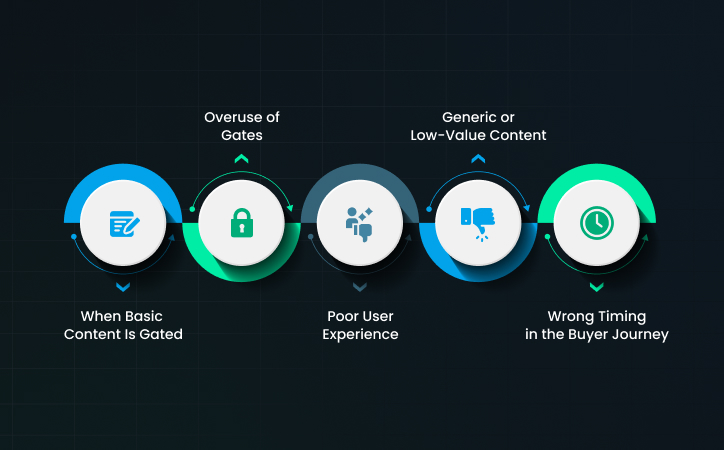
There are clear situations where gated content no longer works effectively.
When basic content is gated, users feel frustrated. For example, gating a simple checklist or a short blog-style guide often leads to drop-offs. If similar information is available freely elsewhere, the gate becomes a barrier.
Another common failure is overuse. When every asset is gated, it signals a lack of trust in the audience. Users may disengage entirely instead of navigating multiple forms.
Poor user experience also plays a role. Long forms, unclear value propositions, and a lack of transparency reduce conversions significantly.
Finally, generic content is a major issue. If the asset does not deliver unique insights, users will not see the value in sharing their information.
The Rise of Hybrid Content Strategies
In 2026, the most effective approach is not choosing between gated and ungated content. It is combining both in a structured way.
A hybrid strategy allows marketers to build awareness, trust, and conversion across the entire funnel.
For example, an ungated blog post can introduce a topic and provide valuable insights. Within that blog, a gated asset can offer deeper analysis or additional resources for users who want more.
This approach reduces friction while still capturing high-intent leads.
Best Practices for Gated Content in 2026
To make gated content effective today, marketers need to rethink how they design and position it.
- First, the value must be clear before the gate. Users should understand exactly what they will gain. This includes outlining key insights, outcomes, or data points.
- Second, forms should be optimised. Shorter forms generally perform better, especially at earlier stages of the funnel. Progressive profiling can help collect additional data over time.
- Third, trust signals are critical. Privacy statements, clear communication, and brand credibility all influence whether users are willing to share their information.
- Fourth, timing matters. Not every piece of content should be gated. Early-stage content should focus on building trust, while later-stage content can focus on conversion.
- Finally, testing is essential. Marketers should continuously evaluate which assets perform better when gated versus ungated. Data should guide decisions, not assumptions.
The Role of AI in Gated Content Strategy
Artificial intelligence is reshaping how content is created, distributed, and consumed.
AI tools can analyse user behaviour to determine when gating is most effective. They can identify patterns in engagement and predict which users are more likely to convert.
AI also enables dynamic content experiences. Instead of static gates, marketers can personalise access based on user intent, past interactions, or firmographic data.
Another important role of AI is in content creation. With more content being generated, differentiation becomes critical. Gated assets must offer depth and originality that stand out from AI-generated summaries.
AI also influences discovery. As search evolves, more users interact with summarised answers instead of clicking through multiple pages. This increases the importance of making gated content truly valuable and not easily replicable.
Integrating Gated Content into a Modern Funnel
Gated content should not exist in isolation. It should be part of a connected funnel that guides users from awareness to decision.
At the top of the funnel, ungated content such as blogs, videos, and social posts builds visibility and trust. This is where educational content plays a key role.
If you are exploring how content strategies evolve alongside platforms, you may find insights in this blog on Why HubSpot Is One of the Best Email Marketing Tools, which highlights how engagement-driven content supports conversion.
In the middle of the funnel, gated content can provide deeper insights and capture intent. This is where webinars, reports, and guides fit well.
At the bottom of the funnel, personalised content and direct engagement become more important. This includes demos, consultations, and tailored proposals.
This structured approach ensures that gating is used at the right stage, rather than applied uniformly.
The Future of Gated Content
Looking ahead, gated content will continue to evolve rather than disappear.
We are likely to see more flexible gating models. Instead of requiring forms upfront, some brands will offer partial access before requesting information. This approach builds trust while still capturing leads.
Interactive content will also play a bigger role. Tools, assessments, and calculators can provide immediate value while collecting data in a more engaging way.
Another trend is community-driven access. Brands may offer premium content through memberships or communities instead of traditional forms.
The core principle remains the same. Users are willing to share their information when they perceive clear value.
Conclusion
Gated content still works in 2026, but only when used with intention.
The days of gating everything are over. Buyers expect transparency, relevance, and clear value before they share their information. Marketers need to balance access with conversion and use gated content where it truly adds depth to the buyer journey.
A hybrid approach that combines ungated awareness content with high-value gated assets is now the most effective strategy. It aligns with modern buyer behavior and supports long-term trust.
This is where platforms like HubSpot play a critical role. With tools for smart content delivery, progressive profiling, lead scoring, and automation, HubSpot allows marketers to gate content more intelligently. Instead of relying on static forms, you can create personalised journeys that capture intent without creating friction.
If your current strategy relies heavily on forms without considering user experience, it may be time to rethink your approach.
To build a content strategy that aligns with how buyers actually engage today, working with an expert HubSpot partner like Buldok Marketing can help you design the right balance between visibility, engagement, and conversion.
Gated content is not dead. It is evolving, and the brands that adapt with smarter tools and better strategy will continue to see results.